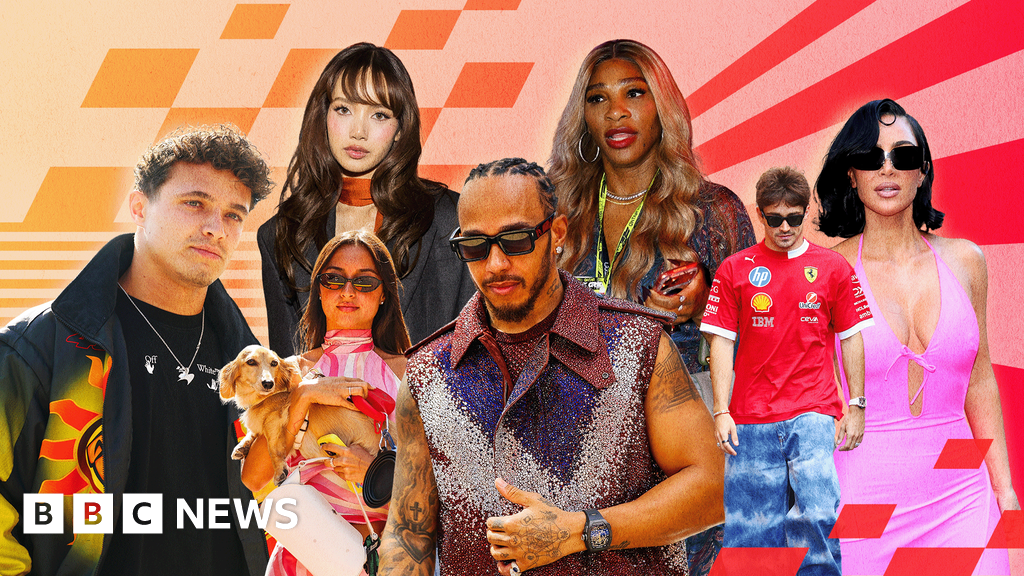
With the launch of the eighth season of Netflix's highly acclaimed series Drive to Survive, Formula 1 has entered a new era of celebrity culture. The documentary series has played a pivotal role in reshaping the sport's image, making it more accessible and appealing to a broader audience worldwide.
Historically, Formula 1 was considered a niche sport with a dedicated but limited fan base. However, the show's behind-the-scenes access, personal stories, and dramatic race moments have significantly increased its popularity. Fans now feel more connected to drivers and teams, transforming them into household names beyond traditional motorsport circles.
This surge in popularity has led to a new wave of F1 celebrities, with drivers such as Lewis Hamilton, Max Verstappen, and Lando Norris gaining international recognition. Their appearances in media, endorsements, and social media have skyrocketed, making them influential figures beyond racing.
The series has also contributed to a broader cultural shift, where F1 is now seen as a glamorous and exciting sport, attracting celebrities, influencers, and new fans from different backgrounds. The sport's global appeal has been amplified through Netflix's storytelling, which emphasizes the human drama, rivalries, and personal struggles of the drivers.
Moreover, the increased visibility has impacted the sport's commercial landscape, with sponsorship deals and merchandise sales reaching new heights. Teams and drivers are now leveraging their enhanced fame to expand their brand presence and engage with a wider audience.
In conclusion, Netflix's Drive to Survive has not only popularized Formula 1 but also transformed it into a cultural phenomenon. The series has successfully created a new generation of F1 celebrities and elevated the sport's status on the global stage, promising even greater growth and excitement in the years to come.